Welcome to the official website of Shanghai Shangshihua Law Firm!



cancel
Clear records
history record
Clear records
history record



 The browser own share function is also very useful~
In order to manage the sales market and prevent cross-selling, a certain cosmetics brand printed anti-counterfeiting codes and traceability codes on product packaging, and pasted a chip with product dealer information on the inside of the sales package (carton). However, during the sales process, the brand encountered the following situation:
1. The traceability code on the outer packaging of the product is scraped (cut and removed);
2. The anti-counterfeiting chip in the product package was roughly removed (cut off);
3. Remove the outer packaging of the product and only sell bare bottle products.
Regarding the above-mentioned sales behavior, the brand complained to the platform many times, but the platform refused to handle it because it could not prove that the product was fake.
After receiving the customer, our firm formulated the following plans based on the situation:
1. Notarized purchase of scratch code products. Since the electronic information in the product was destroyed, it was determined that the product was an infringing product on the grounds that it could not be identified, and a civil lawsuit was filed with the People's Court;
2. At the same time as filing a civil lawsuit, apply for an investigation order from the court and obtain the sales records of the infringing products from the platform.
After the plan is implemented, the infringing stores will face the following situations during the process of responding to the lawsuit:
1. Evidence must be provided to prove that the products sold have legal sources;
2. Evidence must be provided to prove that the products purchased are consistent with the products sold; however, because the electronic information of the products sold is destroyed, it cannot prove the correlation between the products purchased and the products sold;
3. Since we have obtained all the sales records of the products from the platform; the purchase records provided by the defendant must match the time, quantity, and variety of the sales records in order to achieve the purpose of proving the legal source of the products. Otherwise, you will bear infringement liability.
4. If the defendant provides all true purchase records, the brand can hold the supplier responsible for breach of contract based on the evidence provided by the defendant.
The above plan has been implemented for about a year, and the phenomenon of code scratching in the brand market has been effectively curbed.
Things to note when implementing the above plan:
1. Purchases and prosecutions must be carried out across all platforms on the entire network; the above plan cannot be implemented only for individual key stores.
2. We must continue to quickly crack down on new stores.

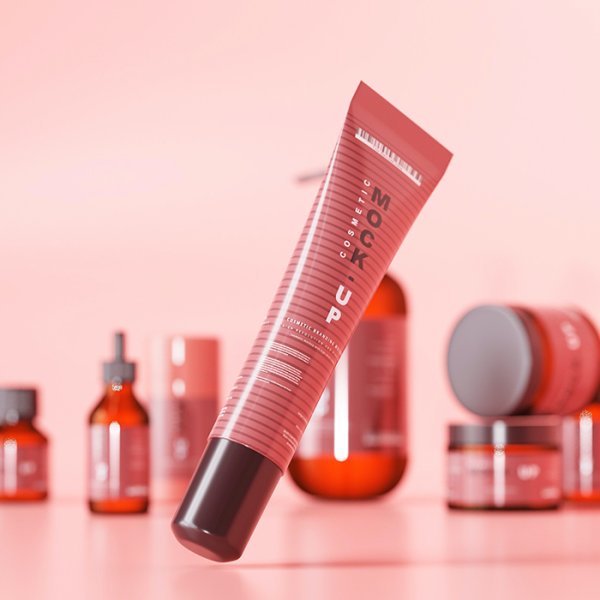
In order to manage the sales market and prevent cross-selling, a certain cosmetics brand printed anti-counterfeiting codes and traceability codes on product packaging, and pasted a chip with product dealer information on the inside of the sales package (carton). However, during the sales process, the brand encountered the following situation:
1. The traceability code on the outer packaging of the product is scraped (cut and removed);
2. The anti-counterfeiting chip in the product package was roughly removed (cut off);
3. Remove the outer packaging of the product and only sell bare bottle products.
Regarding the above-mentioned sales behavior, the brand complained to the platform many times, but the platform refused to handle it because it could not prove that the product was fake.
After receiving the customer, our firm formulated the following plans based on the situation:
1. Notarized purchase of scratch code products. Since the electronic information in the product was destroyed, it was determined that the product was an infringing product on the grounds that it could not be identified, and a civil lawsuit was filed with the People's Court;
2. At the same time as filing a civil lawsuit, apply for an investigation order from the court and obtain the sales records of the infringing products from the platform.
After the plan is implemented, the infringing stores will face the following situations during the process of responding to the lawsuit:
1. Evidence must be provided to prove that the products sold have legal sources;
2. Evidence must be provided to prove that the products purchased are consistent with the products sold; however, because the electronic information of the products sold is destroyed, it cannot prove the correlation between the products purchased and the products sold;
3. Since we have obtained all the sales records of the products from the platform; the purchase records provided by the defendant must match the time, quantity, and variety of the sales records in order to achieve the purpose of proving the legal source of the products. Otherwise, you will bear infringement liability.
4. If the defendant provides all true purchase records, the brand can hold the supplier responsible for breach of contract based on the evidence provided by the defendant.
The above plan has been implemented for about a year, and the phenomenon of code scratching in the brand market has been effectively curbed.
Things to note when implementing the above plan:
1. Purchases and prosecutions must be carried out across all platforms on the entire network; the above plan cannot be implemented only for individual key stores.
2. We must continue to quickly crack down on new stores.

Related service